
Regeneratively farmed barley in our spirits
What are the benefits of regenerative farming?

Regenerative agriculture is a holistic approach to farming that works to benefit both the environment and the farmer. Utilising a selection of farming methods regenerative farming strives to improve yields, enhance soil health, support biodiversity and reduce the CO2 emissions from farming.
Healthier soil can retain water better and support crop growth, reducing the need for fertilisers, chemicals, and irrigation. This in turn can lower input costs and increase the fields’ resilience to drought and extreme weather conditions. Over time, these practices may benefit farmers through more stable yields, better crop quality, and improved profitability.
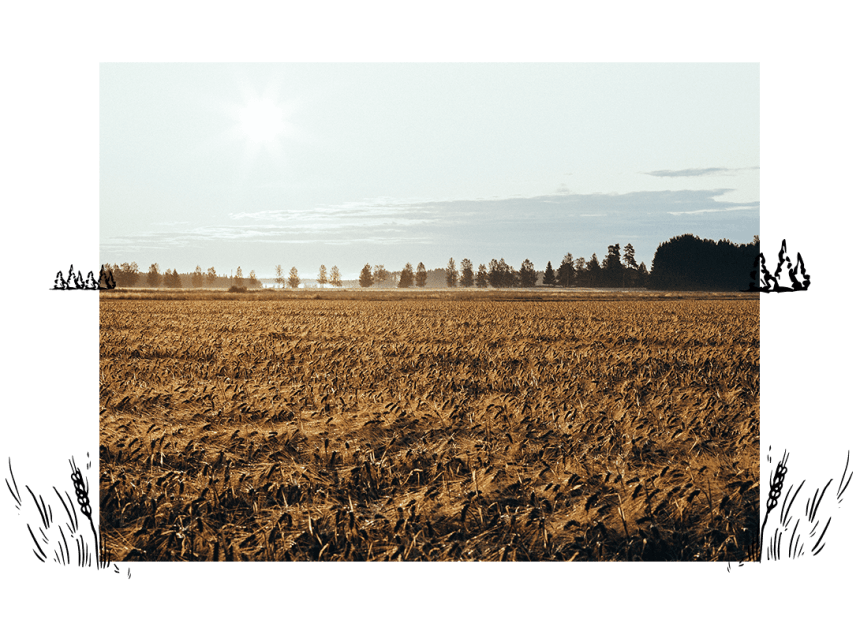
Long-term commitment to regeneratively farmed barley
Koskenkorva is committed to working with regeneratively farmed barley for the long-term. That’s because the benefits are not limited only to environment but they also help farmers get better yields by making their land more fertile and resistant.
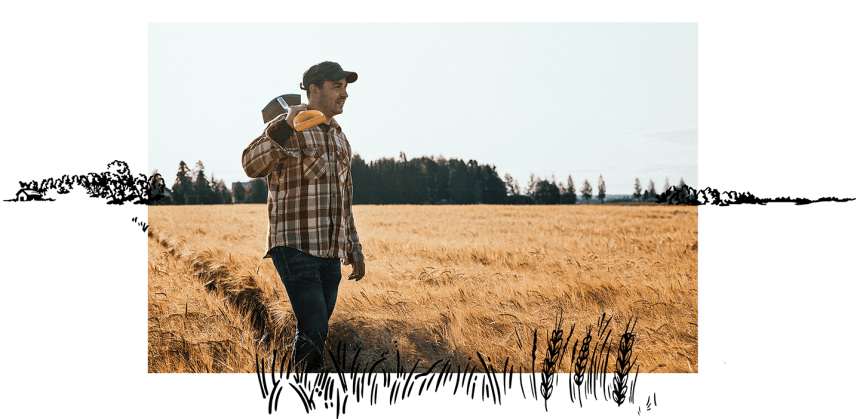
Óur flaghsip vodka Koskenkorva Vodka Signature is made entirely from barley grown using regenerative farming methods. Anora's target is to increase the share of regeneratively farmed barley used in our Koskenkorva products and other own grain-based spirits to 30% by 2030.
Anora’s agreements with regenerative barley contract farmers are based on criteria of Baltic Sea Action Group. Read more on Anora.com.
Baltic Sea Action Group’s Carbon Action Platform
We have been working with the Baltic Sea Action Group to promote and support farmers in adopting regenerative farming methods with the aim of reducing emissions and combating climate change. Improved soil health can also reduce the flow of nutrients into waterways helping to reduce the eutrophication of the Baltic Sea. In 2025, we renewed our Baltic Sea Commitment, first signed in 2018, for 2026–2030. Together with BSAG, we will continue to provide training and resources to our farming partners.
More info: About - Baltic Sea Action Group and Regenerative Agriculture - Baltic Sea Action Group